

Sliding vs. Hinged Shower Doors: Which is Best for Your Bathroom?
By David Carano | January 22, 2026
In the realm of bathroom design, a glass shower door can dramatically impact both aesthetics and functionality. A well-chosen shower door not only enhances the bathroom's visual appeal but also contributes to a more practical and efficient space. However, you should understand the distinct characteristics of sliding and hinged doors before making a decision. Let's cover a few aspects to consider, from design and cost to usability.
The Basics of Sliding Shower Doors
Design and Functionality Overview
A sliding glass shower door, also known as a bypass door, consists of two or more glass panels that glide along a track. This design is sleek and modern, offering a seamless and uncluttered look to any bathroom space. The panels move horizontally and typically have rollers at the top and bottom, allowing for smooth operation across the entire length of the track. Such doors are suitable for both larger shower enclosures and bath-shower combinations, providing a versatile solution.
Space-Saving Advantages
One of the most significant advantages of sliding shower doors is their space-saving quality. Since they slide parallel to the walls, they don't require extra space to open and close, unlike hinged doors. This makes them an ideal choice for smaller bathrooms or areas where space efficiency is a priority. By introducing a sliding door, homeowners can maximize floor space while maintaining accessibility and ease of use. Additionally, their sleek appearance can make a room feel less crowded and more open.
Exploring Hinged Shower Doors
Design Features and Mechanism
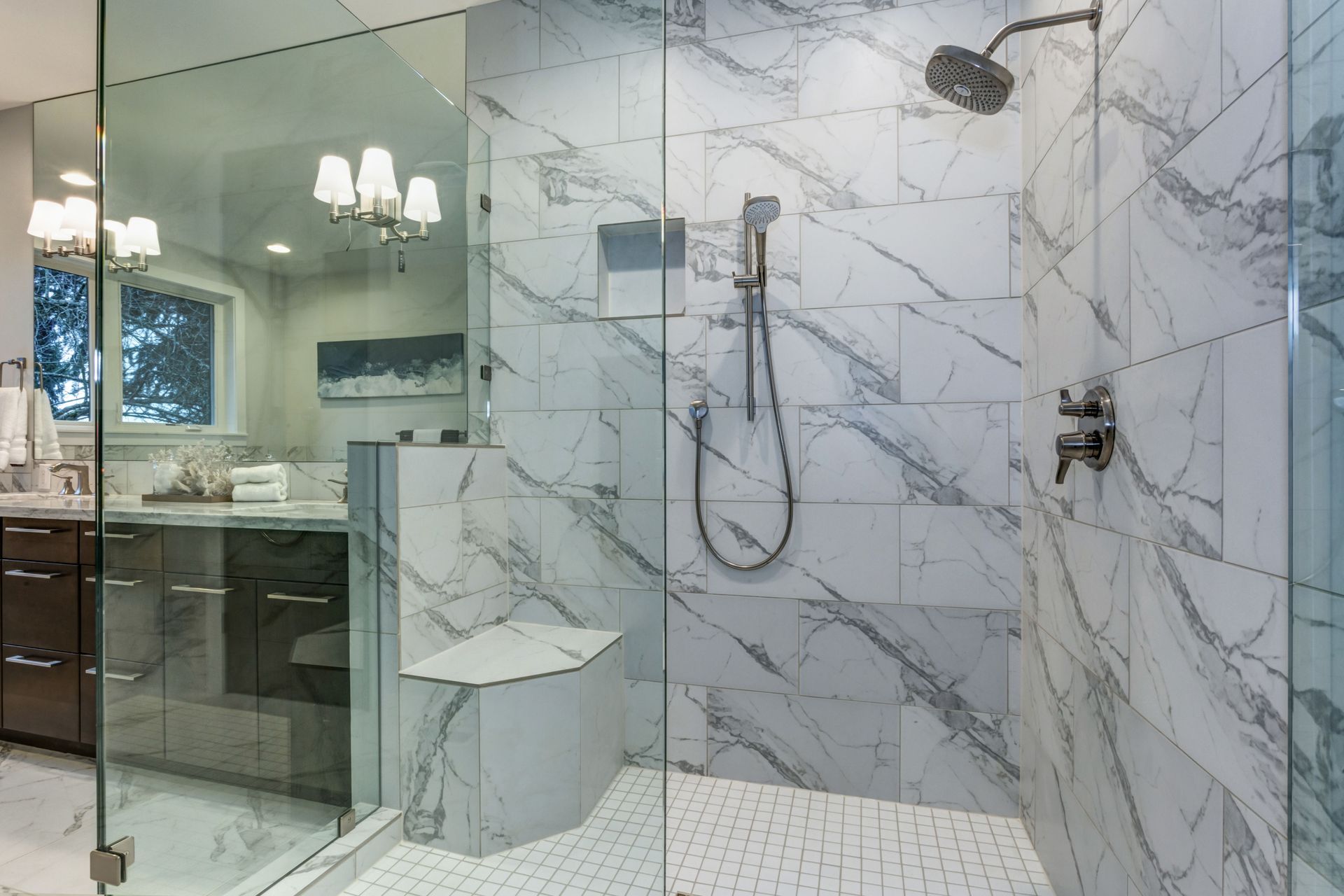
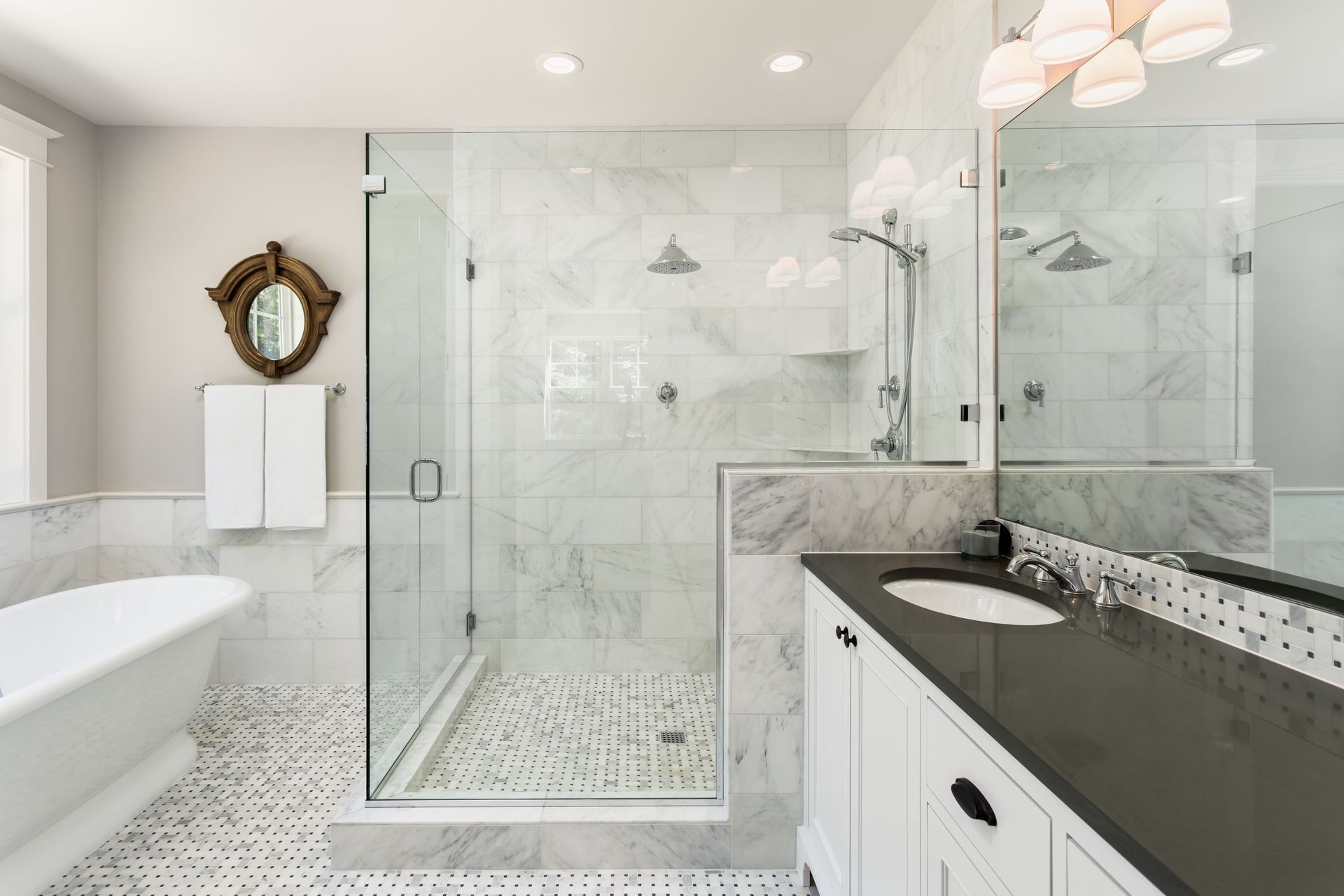
Hinged shower doors, often referred to as pivot doors, swing open like traditional doors, either inward, outward, or both ways, depending on the hinge placement. This type of door is favorable for its simplicity and robust design, often used in settings where a wide, unobstructed entry is desirable. A hinged glass shower door can be either framed or frameless, with frameless options offering a minimalist, contemporary appearance. The operation involves pivot hinges either at one side or along the vertical axis in the middle, allowing versatility in their installation. This mechanism provides a classic touch while delivering durable functionality.
Space Requirements and Limitations
Due to their swinging design, hinged shower doors require sufficient clearance around them to open fully. This aspect might make them less suitable for smaller bathrooms where space conservation is critical. Hinged doors are more appropriate in larger bathroom suites, where their elegant and grand opening can be fully appreciated without spatial constraints. Additionally, positioning can affect water splash zones, necessitating careful consideration during installation. Despite these limitations, hinged doors offer an appealing traditional aesthetic, which can be a significant selling point for many homeowners seeking timeless design elements.
Comparative Aesthetics
Modern vs. Traditional Look
Sliding shower doors tend to embody modern aesthetics with their seamless and minimalistic lines. Their sleek design integrates effortlessly into contemporary spaces, contributing to a clean, unobtrusive look. In contrast, hinged doors often appeal to those preferring a classic or traditional bathroom style, providing a sense of permanence and luxury. The swinging motion of a hinged glass shower door can add an element of elegance and nostalgia reminiscent of vintage bathroom designs. Ultimately, the decision between the two styles should align with the homeowner's vision for the bathroom's overall appearance, bridging functionality with desired decor themes.
Impact on Bathroom Space and Layout
When considering the impact of these doors on a bathroom's space, sliding options stand out for their ability to conserve space. By not requiring additional floor clearance for opening, they enable better use of small or constrained spaces. Hinged doors, on the other hand, may visually enlarge a bathroom by allowing full, unobstructed views when open, creating a sense of airiness in larger bathrooms. The choice between these two may hinge on the overall layout and dimensions of the bathroom space, blending practicality with visual appeal. Strategic placement and door style can either maximize the perceived space or create a more intimate, defined area.
Cost Considerations
Initial Purchase and Installation Costs
The cost of purchasing and installing sliding versus hinged shower doors varies widely based on materials, design complexity, and brand. Typically, sliding doors can be less expensive due to the streamlined design and ease of installation. However, high-end materials and frameless designs can elevate the cost considerably. Hinged doors, with their more robust installations, can incur higher upfront costs, particularly for custom dimensions or specialty glass. It's crucial to budget for both the purchase price and professional installation, considering both types involve precise work to ensure functionality and safety.
Long-term Maintenance Expenses
Long-term maintenance costs can vary significantly between sliding and hinged shower doors. Sliding doors may require occasional track and roller maintenance, which is relatively straightforward but essential to avoid operational issues. Hinged doors, while typically low-maintenance, demand routine inspection of hinge integrity to prevent sagging or misalignment. The quality of materials and hardware will often dictate the frequency and extent of maintenance. Investing in durable, high-quality components can minimize these costs over time, reducing the need for frequent repairs or parts replacement. Failure to maintain these elements can lead to more substantial and costly issues down the line.
Practicality and Usability
Ease of Access and Operation
In terms of accessibility, both sliding and hinged doors offer unique advantages that cater to different user needs. Sliding doors are often praised for their effortless glide along tracks, suitable for people of all ages, including those with limited mobility. However, their partially fixed panels can sometimes restrict entry width. Hinged doors, opening widely on pivot points, allow unrestricted access and may be better suited for users who require ample space to enter and exit comfortably. According to The Spruce, the industry standard for minimum shower door width is 22 inches, a specification critical to ensuring doors meet code and provide adequate access.
Cleaning and Maintenance Simplicity
Maintenance simplicity plays a crucial role in the practicality of a glass shower door, influencing user satisfaction over time. Sliding doors may require regular cleaning of tracks to remove dirt and soap scum, which can accumulate and impede smooth operation. Keeping the glass and frame clean can prevent staining and maintain the door's visual appeal. Meanwhile, hinged doors, with their simpler hinge mechanisms, demand less frequent cleaning of moving parts but can require attention to water tightness and mold prevention around seals. Both designs benefit from periodic assessment to maintain functionality and aesthetic appeal, ensuring long-term utility.
Durability and Lifespan
The durability and lifespan of shower doors are affected by material quality, usage patterns, and maintenance practices. High-quality glass and sturdy metal frames or hardware generally extend the life of both sliding and hinged options. Hinged doors, due to their fewer moving parts, might experience less wear over time than their sliding counterparts, whose tracks and rollers are more susceptible to dirt and corrosion. Lifespan also hinges on the frequency of use and exposure to moisture, emphasizing the importance of investing in durable components from reputable brands. Keeping doors free from hard water stains and soap residue ensures they remain in good working order for many years.
Choosing between sliding and hinged shower doors ultimately comes down to your bathroom's layout, your design preferences, and how you plan to use the space day to day. Sliding doors excel in smaller bathrooms where conserving floor space is essential, offering a streamlined, modern look with practical functionality. Hinged doors, by contrast, shine in larger bathrooms where their wide opening, classic appeal, and straightforward mechanics can be fully appreciated. By weighing factors such as aesthetics, cost, maintenance, accessibility, and long-term durability, you can choose a shower door at Stow Glass & Mirror that complements your bathroom's style while supporting comfort and usability. Reach out to us today to get started with a free estimate!
Share On: